

'Steady as she goes' inflation report; Real household income fell 2020-2022; Amateurs Pile Into 24-Hour Options; VinFast's Rise and Fall Burns Investors in Familiar SPAC Pattern; EV scams; Adding 10 Healthy Years to Your Life
1) I'd summarize yesterday's inflation report for August as "steady as she goes"...
While the headline on the front page of today's Wall Street Journal, Increase in Pump Prices Boosts Inflation, sounds scary, in reality core prices – excluding volatile food and energy items – only rose 0.3% from the previous month and 4.4% year over year, the lowest reading since September 2021, as you can see in this chart from the WSJ article:
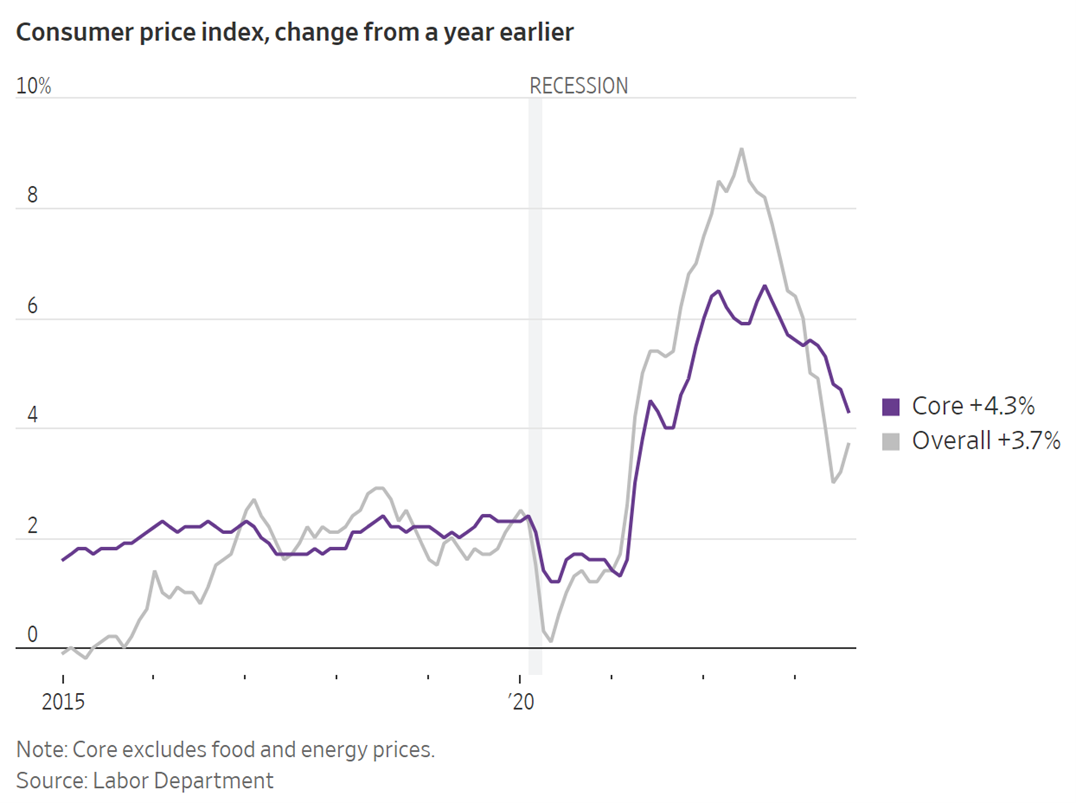
And here's the key line from the article:
The monthly core reading likely keeps Federal Reserve officials on course to hold interest rates steady at their meeting next week without resolving a bigger debate over whether they will need to raise them again this year to slow the economy and maintain recent progress on inflation.
I continue to believe that inflation will stay in the 3% to 4% range for the foreseeable future. If so, I think the Fed is finished raising rates.
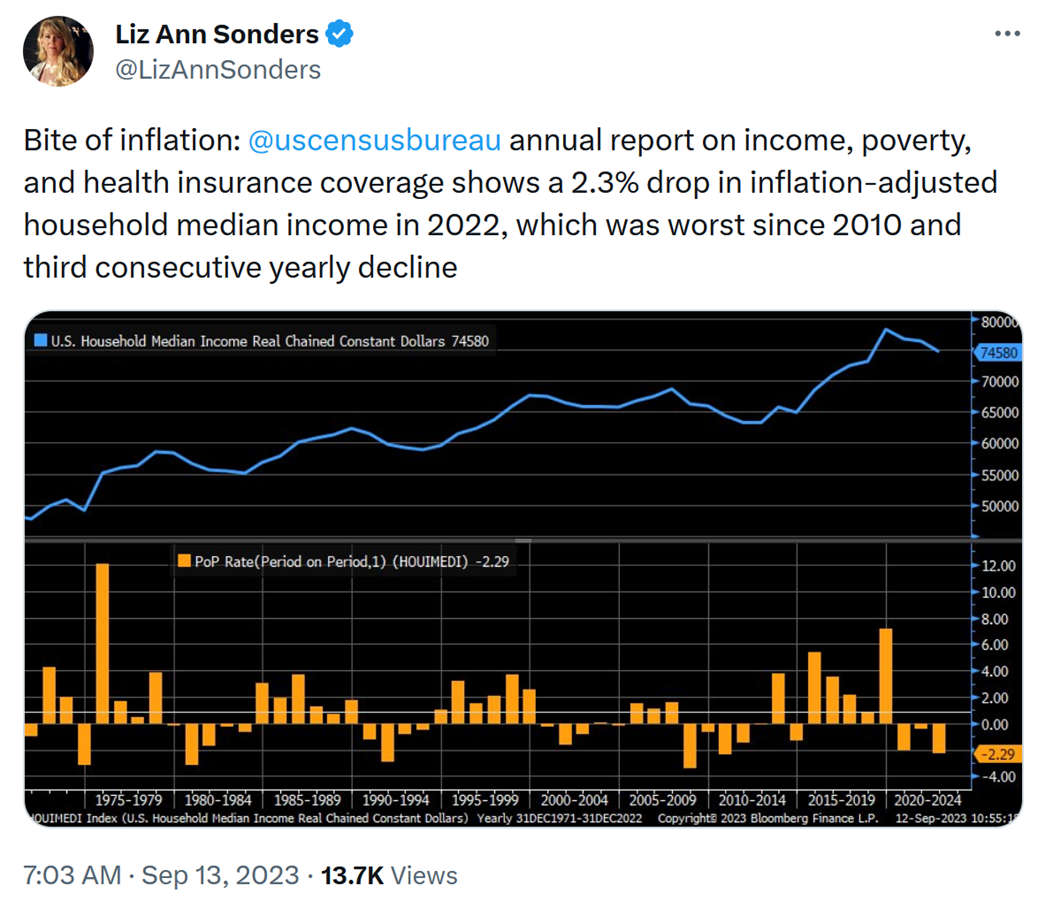
2) One area of inflation where I would like to see increases is household income, as this would mean that workers are earning more on a real (inflation-adjusted) basis.
Unfortunately, this wasn't the case last year, as inflation took off, but may be the case this year, as wage adjustments tend to happen more slowly, in both directions:
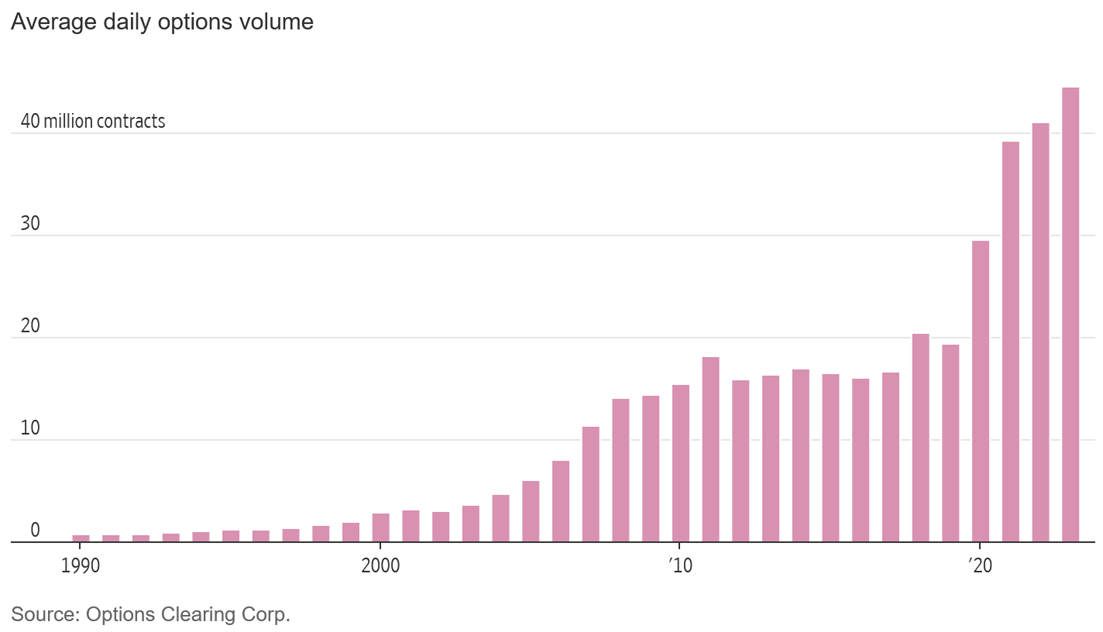
3) It breaks my heart to see inexperienced retail investors – those who can least afford it – getting sucked into risky trading strategies like trading options and buying hot IPOs, especially SPACs – but it's happening every day, as these WSJ articles note:
Trading is booming in options that expire in as little as a day, or sometimes just hours. For a small upfront fee, investors get the chance for a big payout almost immediately. The downside, as with the lottery, is getting back zero.
Options enable traders to leverage their bets on individual stocks. They get the right, though not the obligation, to buy or sell shares at a set price by a stated date.
Not long ago, options trading was seen as best left to professionals with access to sophisticated trading tools and data. Now, a new generation of rookie speculators have been trying to strike it big betting on short-term options.
Shorter-dated options, expiring in five or fewer days, accounted for about half of all options-market activity as of August, according data provider SpotGamma, up from around one-third three years ago. Individual investors made up 27% of all activity in options as of June, up from 23% at the start of 2020, according to Bloomberg Intelligence. For popular one-day options tied to the broad S&P 500 index, individual investors made up around one-third of all trades, according to exchange-operator Cboe Global Markets.
A study by finance experts at the London Business School estimated that most individual options traders lose money. Between November 2019 and June 2021, such investors notched losses of some $2.1 billion, with the hits concentrated in shorter-dated trades, the study concluded.
"We should stop pretending that's what's going on is investing," said Benjamin Edwards, a professor at the University of Nevada in Las Vegas who has studied securities law. "It's just gambling."
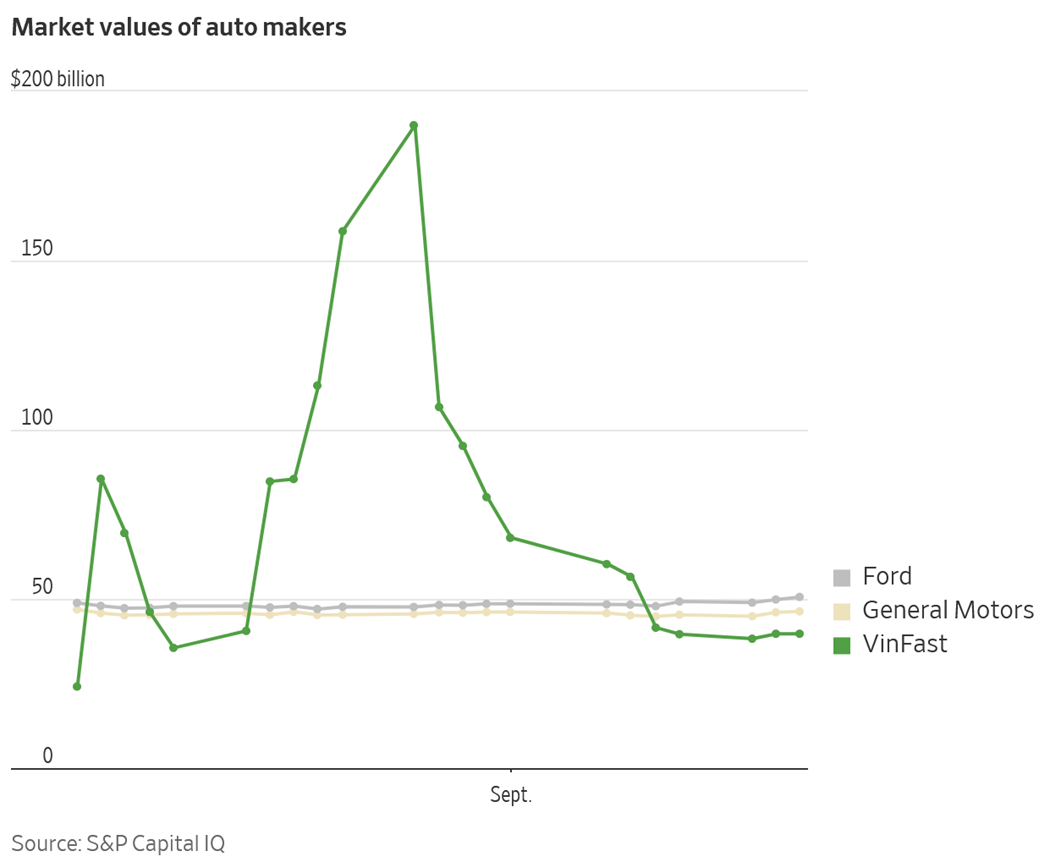
A crash in the shares of electric-car startup VinFast (VFS) is serving as a warning: One of Wall Street's hottest financial trends in recent years often ends with everyday investors getting burned.
The Vietnamese firm last month became one of the latest startups to go public by merging with a shell company, an alternative route to the stock market that became popular during the pandemic. The eye-popping swings in its shares that followed mirror the volatility that has been common among startups that went public the same way and reflect the quirks of how such deals often work.
For some, the big stock moves are reminiscent of another pandemic phenomenon that resulted in many individual investors losing money: the trading frenzy that turned struggling companies such as GameStop into meme stocks.
"This is equally as comical as GameStop," said Matt Simpson, managing partner at Wealthspring Capital and a SPAC investor. "It was completely divorced from reality."
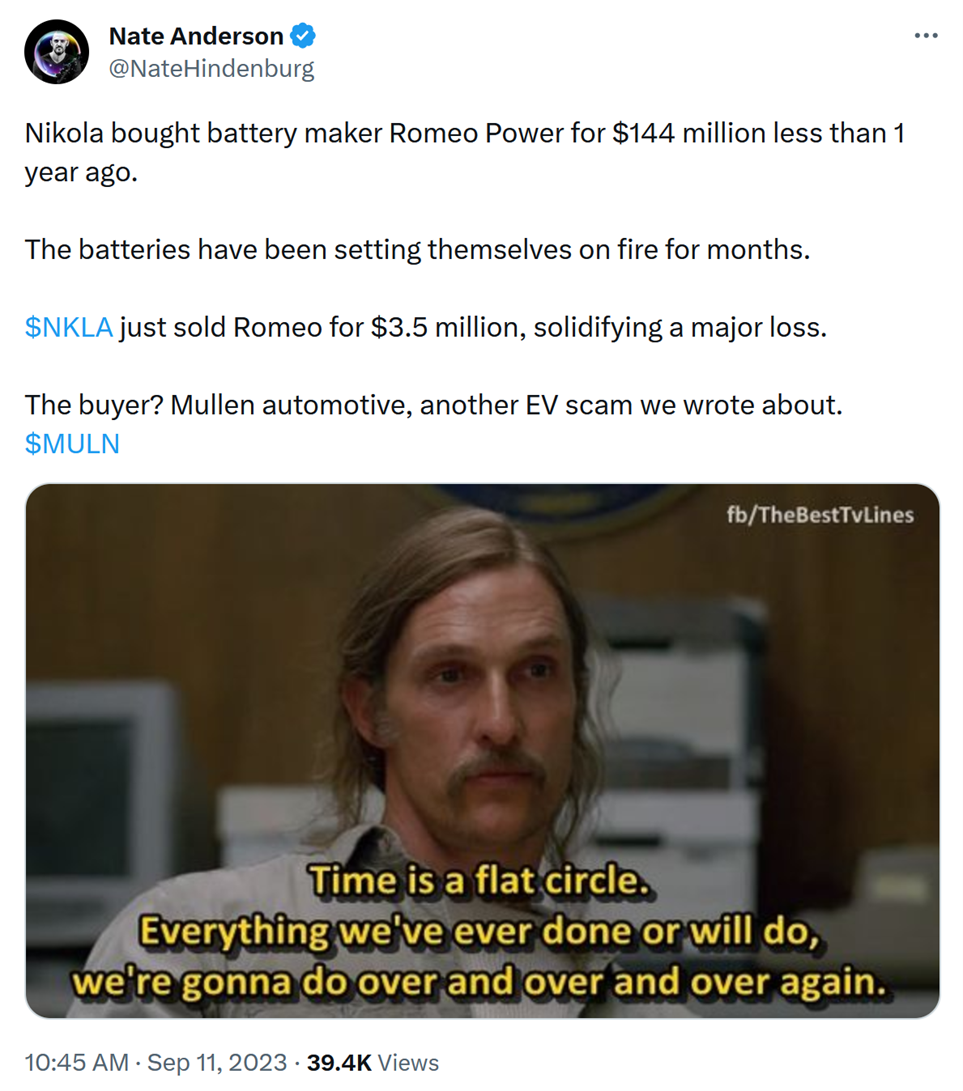
4) It's not just VinFast – the entire electric vehicle sector has been plagued by hype and scams, which Nate Anderson of Hindenburg Research has done an excellent job exposing:
5) In my June 14 e-mail, I wrote:
I recently finished listening to Dr. Peter Attia's excellent book, Outlive: The Science and Art of Longevity.
The main message is that you need to be much more proactive, at a much younger age, against "the diseases of aging that kill most people: heart disease, cancer, Alzheimer's disease, and type 2 diabetes."
The main ways to do this are diet, exercise, screening tests, getting enough sleep (8 hours per night is key... the chapter largely mirrors this TED talk, Sleep Is Your Superpower, which has more than 10 million views), and strong relationships.
Attia argues persuasively that our medical system mostly only engages when people are, say, in their 60s and one or more of these diseases are already manifesting themselves. However, their roots are taking shape decades earlier (just look at childhood obesity rates, for example).
If you don't have time to read his book, I recommend listening to the interview Attia did with Freakonomics author Steven Levitt, Adding 10 Healthy Years to Your Life, which you can watch on YouTube here or listen to here.
Whitney
P.S. I welcome your feedback at WTDfeedback@empirefinancialresearch.com.